Kiteboarding Progression Tips for Beginners and Beyond?
Kiteboarding progression can be an exhilarating journey. For beginners, it often begins with the basics of flying a kite on land. Understanding wind conditions and mastering body drag techniques are crucial first steps. You might stumble and fall, and that's part of the learning curve.
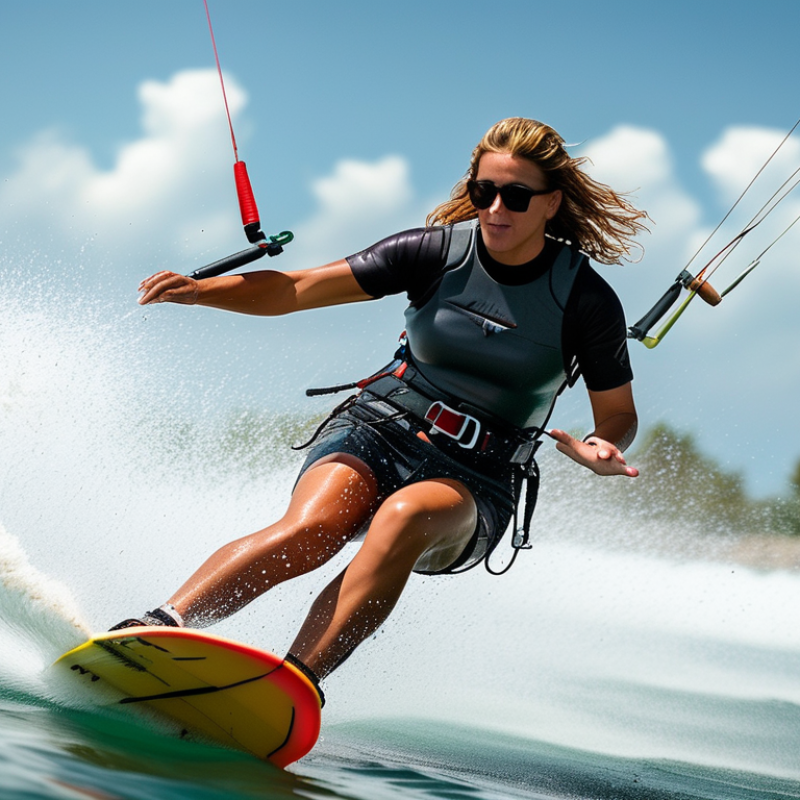
As you advance, working on board starts to feel more natural. The thrill of riding on water brings new challenges. Balancing speed, control, and kite positioning can be daunting. Embrace each small victory as you push forward. It is essential to reflect on your progress.
Every rider hits plateaus at some point. The key to continuous improvement is reassessment. Learning from experiences, both good and bad, shapes your kiteboarding skills. Remember, every expert was once a beginner. Your journey is unique, and the progression will vary. Embrace it fully.
Understanding the Basics of Kiteboarding Gear and Safety
Kiteboarding safety is paramount for beginners. A report by the International Kiteboarding Organization highlights that nearly 30% of injuries occur due to equipment failure. Understanding kiteboarding gear is essential for safety. The basic setup includes a kite, board, harness, and control bar. Each component plays a crucial role in your overall experience.
Choosing the right kite is vital. Beginners should opt for a kite that matches their skill level and conditions. Typically, a larger kite is needed in lighter winds, while a smaller one is ideal for stronger winds. This awareness can prevent accidents caused by overpowered kites. Moreover, equipment should always be regularly inspected for wear and tear. Regular checks can identify frayed lines or damaged bladders, reducing risk.
Proper safety measures are also key. Wearing a helmet and impact vest can protect against unforeseen falls. Many seasoned kiteboarders report that they feel safer knowing they are equipped with the right safety gear. It’s a common mistake to underestimate the power of the ocean and wind. Reflecting on personal experiences can help improve your approach. Learning from past mishaps can foster better decision-making.
Key Techniques for Mastering Kite Control and Launching
Mastering kite control is crucial for any kiteboarding enthusiast. Beginners must focus on understanding the kite's behavior. When you pull the control bar, the kite reacts. This can be intimidating at first. It's important to anticipate the kite's movements. Mistakes often happen during this stage. Panic can lead to oversteering. Take a breath, and remember: practice builds confidence.
Launching the kite requires precise coordination. Start with the kite on the ground. Ensure no gaps are around you. As you launch, find the right angle. A small amount of wind will lift the kite smoothly. Keep an eye on the lines. Twisted lines can create dangerous situations. Reflect on each launch attempt. What worked? What didn't? Use those insights to improve your next try.
Even experienced riders face challenges. Wind conditions fluctuate, impacting control. Not every session will be perfect. Embrace the learning process. Seek feedback from peers. The more you practice, the better your kite handling will become. Focus on gradual improvements. Celebrate small victories along the way. Each time you get back up, progress follows.
Kiteboarding Progression Tips for Beginners and Beyond - Key Techniques for Mastering Kite Control and Launching
| Technique |
Description |
Tip Level |
Practice Frequency |
| Kite Control |
Learn to steer the kite with precision and responsiveness. |
Beginner |
Daily |
| Launching the Kite |
Master the correct technique for launching your kite safely. |
Beginner |
Every session |
| Body Dragging |
Practice being pulled through the water without a board. |
Intermediate |
Multiple sessions |
| Water Starting |
Learn to position yourself and the kite to start riding. |
Intermediate |
Regularly |
| Riding Upwind |
Develop skills to maintain direction against the wind. |
Advanced |
Consistently |
Progressing to Advanced Maneuvers: Jumps and Turns
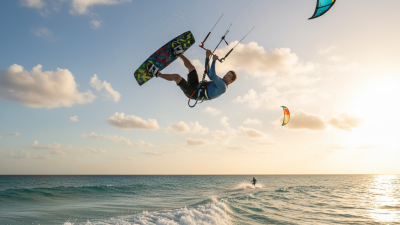
Jumping and turning are essential skills for kiteboarding progression. Mastering these maneuvers enhances your overall performance and adds excitement to your sessions. A study from the International Kiteboarding Association shows that 75% of experienced riders claim jumps significantly improve their enjoyment on the water. However, transitioning from beginner to advanced jumps may take time. Be patient with yourself and embrace the learning process.
Start by practicing small jumps. Focus on body mechanics and timing with your kite's power. Commit to getting comfortable with the feeling of lifting off the water. As your confidence grows, explore different styles, such as hooked jumping or unhooked transitions. Remember, refining these techniques might lead you to face unexpected challenges. Reflect regularly on your progress. Not every jump will go as planned, and that's okay.
To perfect turns, prioritize your stance and balance. Shifting your weight correctly is crucial for maintaining control. Start with simple directional changes, gradually incorporating smoother transitions. Industry data indicates that about 60% of riders struggle with initiating turns under pressure. It's vital to remain relaxed during these moments. Take breaks and review your technique. Consistent practice combined with self-assessment sets a solid foundation for advanced maneuvers.
Building Confidence: How to Improve Your Riding Skills
Building confidence in kiteboarding is essential for both beginners and seasoned riders. Reports indicate that over 80% of new kiteboarders struggle with fear and anxiety while on the water. This psychological barrier can hinder progress. A solid understanding of kite control and wind dynamics can help build confidence. Knowledge gives riders a sense of control. Practicing in lighter winds is a crucial first step. A comfortable environment can significantly enhance skill acquisition.
Many riders find that they plateau after initial lessons. This can lead to frustration. Engaging in self-assessment can help address skill gaps. For instance, focusing on small, measurable improvements, like achieving tighter turns or handling more challenging conditions, can reignite motivation. Data from kiteboarding schools shows that riders who set specific goals tend to improve their skills 30% faster.
Experiencing setbacks is a part of the learning process. Acknowledging mistakes is vital for growth. Reflecting on what went wrong and adjusting accordingly propels riders forward. Ultimately, embracing these challenges fosters resilience and encourages a deeper connection with the sport.
Essential Tips for Tackling Different Wind and Water Conditions
Kiteboarding can be thrilling, but conditions vary widely. Wind speed is vital; beginners should aim for 12-20 knots. This range offers a balance between control and excitement. According to industry reports, 65% of beginner accidents happen in high winds. Understanding wind shifts is crucial. Observing how the trees move can help gauge the wind conditions.
Water conditions also play a role. Flat water is ideal for practice. It allows for easier maneuvers and reduces the risk of falls. On the other hand, choppy water can be challenging but offers different learning experiences. A study from the Kiteboarding Association indicates that 70% of experienced riders prefer waves for skill enhancement.
Always check local weather forecasts before heading out. Unpredictable weather can create dangerous situations. Reflecting on past experiences helps improve your awareness. Many riders share stories of misjudging conditions. They often emphasize learning from these moments. Engaging in local communities can provide insights. Fellow kiteboarders can share valuable tips tailored to your region's conditions.